

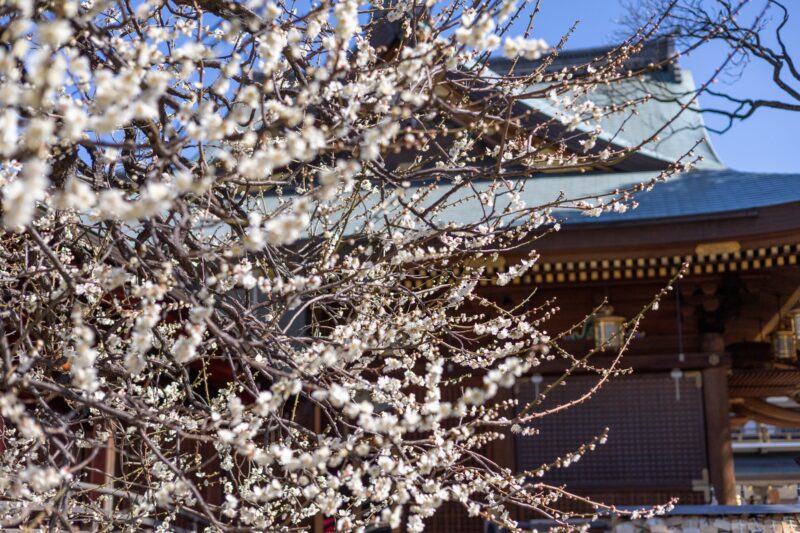
A Comprehensive Guide to Experiencing Spring in Japan from Asakusa Plum Blossoms, Hinamatsuri, the Spring Equinox (Higan), Hanamatsuri, Cherry Blossoms, Wisteria, and a Sumida River Cruise
What You Will Learn in This Article
How to efficiently explore spring events (February–April) and peak flower seasons with Asakusa as your base
An overview of the Yushima Tenjin Plum Festival, Hinamatsuri, the Spring Equinox (Higan) service at Sensō-ji, and Hana-Matsuri
Best viewing times and practical tips for spring flower spots, including cherry blossoms at Ueno Park and Sumida Park, and wisteria at Kameido Tenjin Shrine
Main routes and approximate travel times for the Sumida River Cruise (water bus)
How to plan a well-balanced spring sightseeing itinerary using THE KANZASHI TOKYO ASAKUSA as your base
Introduction|Explore Spring Events and Flower Spots in Chronological Order from Asakusa
From early February through late April, the Asakusa area offers a dense concentration of seasonal events, celebrated flower-viewing spots, and scenic riverside views that capture the essence of spring in Japan.
Alongside traditional temple ceremonies, the best seasons for plum blossoms, cherry blossoms, and wisteria arrive one after another. The Sumida River also becomes a pleasant travel route via water bus, adding variety to your sightseeing options.
In this guide, we introduce spring destinations that are easily accessible from Asakusa, arranged in chronological order, so you can smoothly incorporate them into your travel plans.
1|Early Feb–Early Mar: Yushima Tenjin Plum Festival
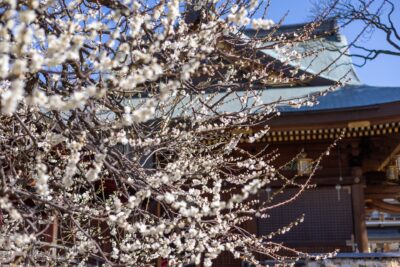
Yushima Tenjin: A Historic Plum Blossom Destination
Yushima Tenjin (Yushima Tenmangū) has been renowned as a plum-blossom spot since the Edo period. Around 300 plum trees—mainly white and red varieties—are planted throughout the shrine grounds, typically reaching peak bloom from February to March.
During this season, the Yushima Tenjin Plum Festival takes place. First held in 1958, the festival will mark its 69th edition in Reiwa 8 (2026). Supported by local parish communities and related organizations, it draws a cumulative total of approximately 400,000 visitors each year.
Event details (Reiwa 8 / 2026)
- Festival period: Feb 8 – Mar 8
- Hours: 8:00 – 19:30
- Admission: Free
- Details: Yushima Tenjin Plum Festival
Main highlight ①|Nodate (Outdoor Tea Gathering)
On Sundays during the festival, nodate events are held, allowing visitors to enjoy matcha tea outdoors. Sipping tea while admiring the plum blossoms is one of the festival’s signature experiences.
- Dates: February 8, 15, 22 / March 1, 8
- Tea ticket: 1,200 yen
- Capacity: 150 people per session
On holidays and Saturdays, a “Black Tea Nodate” may be offered instead of matcha, and additional events are held, including the following:
- Product fairs: Local governments from across Japan set up rotating booths to sell regional specialties
- Mikoshi procession (scheduled for Feb 22): A portable shrine procession from the precinct to the surrounding neighborhood
- Charity sales: Sales by long-established shops in the Yushima area (mainly on weekends/holidays)
- Dedication performances: Traditional music such as shakuhachi and koto
All events are easy to drop by and enjoy during a walk around the area.
Before you go, please check the latest details on the official page: Yushima Tenjin Plum Festival.
2|Early March: Hinamatsuri (March 3)
Hinamatsuri is a traditional Japanese celebration that wishes for the healthy growth and happiness of young girls. Hina dolls, peach blossoms, hishimochi rice cakes, and amazake are all associated with warding off misfortune and promoting good health.Around this time, long-established wagashi shops and souvenir stores often introduce seasonal, spring-themed items, adding to the festive atmosphere.
3|Around March 20: Spring Equinox & Higan Service at Sensō-ji
The Spring Equinox is a national holiday in Japan, observed as “a day to honor nature and respect ancestors.” During this period, Sensō-ji holds a Higan memorial service.Rather than a performance-style event, it is a quiet and solemn occasion integrated into regular temple worship, where visitors offer prayers in a calm and respectful setting.
4|April 8: Hana-Matsuri (Butsushō-e) at Sensō-ji
April 8 marks Hana-Matsuri (Butsushō-e), celebrating the birth of Buddha.
At Sensō-ji, a flower-decorated “Hanamido” (flower pavilion) is set up, and visitors pour sweet tea (amacha) over a small statue of the baby Buddha to express gratitude for Buddha’s virtues.
Even without religious knowledge, it is an open ceremony that general visitors can participate in.
5|Mid-March–Early April: Cherry Blossoms at Ueno Park
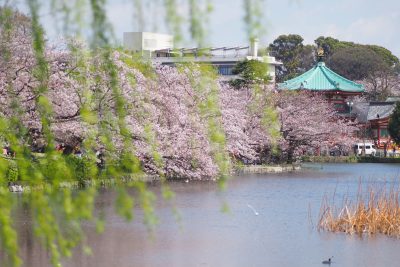
Photo courtesy: Taito City
Located about 10 minutes from Asakusa by train via the Tokyo Metro Ginza Line, Ueno Park is one of Tokyo’s most famous cherry blossom destinations. Blossoms typically peak from mid-March to early April, and visiting on weekday mornings is recommended to avoid larger crowds.
6|Late March–Early April: Cherry Blossoms at Sumida Park
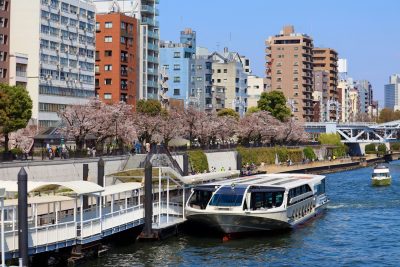
Photo courtesy: Taito City
Sumida Park, within walking distance of Asakusa, is a classic spot where you can enjoy cherry blossoms alongside views of the Tokyo Skytree. The riverside promenade is well maintained, and the park connects easily to the water-bus boarding area introduced later.
7|Early–Late April: Wisteria at Kameido Tenjin Shrine
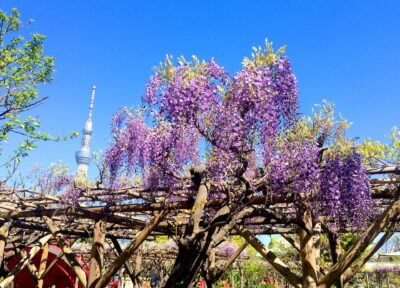
Kameido Tenjin Shrine has been known as a famous wisteria spot since the Edo period.
Wisteria typically reaches its best season from late April to early May, creating a distinctive landscape with the Shinji-ike pond, drum bridge, and wisteria trellises.
- Main hall hours: Opens 6:00 a.m. / Closes 5:00 p.m.
- The shrine grounds are accessible 24 hours
- During the Wisteria Festival, light-up hours may vary depending on bloom conditions
8|Sumida River Cruise (Water Bus)
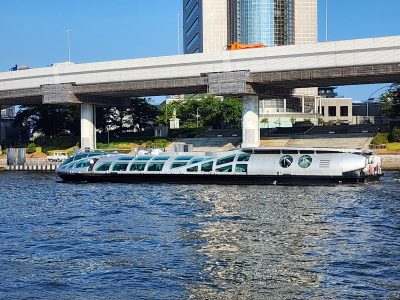
From the Asakusa Water Bus Boarding Area near Azuma Bridge, TOKYO CRUISE (Tokyo Cruise Ship Company) operates sightseeing boats along the Sumida River.
Approximate travel times for major routes are as follows:
- Asakusa → Hamarikyu Gardens: about 35 minutes
- Asakusa → Hinode Pier: about 40 minutes
- Asakusa → Odaiba Seaside Park: about 50–65 minutes
Cruising the river offers a perspective different from walking or taking the train, allowing you to enjoy cityscapes, bridges, and waterfront views from the water.
Discover More of Asakusa with THE KANZASHI TOKYO ASAKUSA
THE KANZASHI TOKYO ASAKUSA blends the traditions of Asakusa with contemporary design. Guest rooms feature Japanese-inspired motifs, while the rooftop terrace offers views of the Tokyo Skytree—creating spaces where you can fully experience the atmosphere of Asakusa.

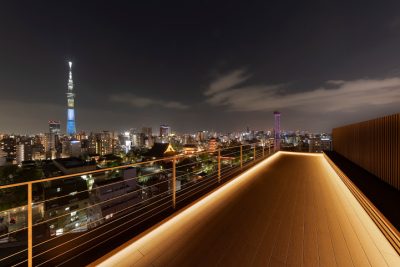
Location: Asakusa, Taito City, Tokyo
Location highlights
Sensō-ji within walking distance
Sumida Park & the water-bus boarding area: about a 10-minute walk
Easy access to Ueno and Tokyo Skytree areas
In-hotel amenities
Free Wi‑Fi
Laundromat
Rooftop Terrace
It’s a comfortable and practical base for enjoying spring events, seasonal flowers, and riverside travel—without packing your schedule too tightly.

Wrap-Up|Efficiently Explore Spring Events and Peak Seasons from Asakusa
Around Asakusa, Japan’s signature spring events and seasonal scenery arrive one after another:
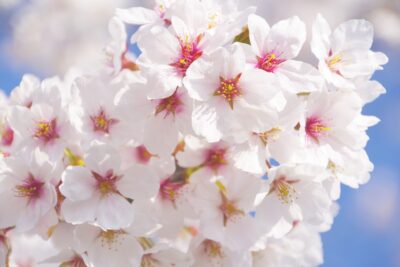
February: Plum blossoms at Yushima Tenjin
March: Hinamatsuri, Higan service, and cherry blossoms
April: Hana-Matsuri and wisteria
By staying in Asakusa, you can create an itinerary that naturally follows the rhythm of the seasons, aligning your visits with peak bloom periods and event schedules. When planning a spring trip to Asakusa, compare your travel dates with these highlights and use this guide as a reference for mapping out your route.