

Enjoy Japanese Sake at an Asakusa Hotel | Bar Experience at THE KANZASHI TOKYO ASAKUSA
What You’ll Learn in This Article
- The charm of Japanese sake and the differences between its types (Junmai, Ginjo, Daiginjo, etc.)
- Tasting tips and food pairings that even beginners can enjoy
- A “special sake experience” combining Asakusa sightseeing with a hotel bar visit
What Is Japanese Sake? Japan’s Traditional Beverage Capturing Worldwide Attention
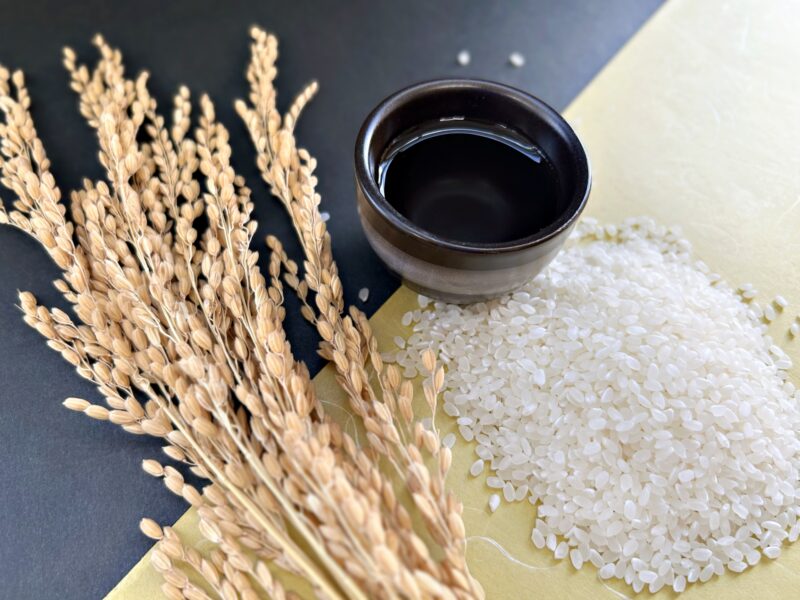
Sake is a traditional Japanese alcoholic beverage made from rice, water, and koji. Known domestically as seishu, it has long been enjoyed at religious ceremonies and celebratory occasions. With a history of over 1,000 years, it is deeply rooted in Japanese culture.
In recent years, the word “SAKE” has become widely recognized abroad, making it a popular cultural experience for international visitors. Asakusa, one of Tokyo’s most historic districts, preserves strong traditions. Enjoying sake after visiting famous landmarks like Kaminarimon Gate or Sensoji Temple will certainly make your trip even more memorable.
The History and Culture of Sake
From ancient times, sake has played a central role in rituals, festivals, and seasonal events. In spring, people enjoy hanami-zake under the cherry blossoms; during festivals, sake is offered to those carrying the mikoshi. Understanding this cultural background reveals that sake is not just an alcoholic drink—it is closely connected to Japanese life, customs, and spirituality.
Types of Sake and Their Flavors
The flavor of sake varies greatly depending on the polishing ratio of the rice and the brewing method. The rice polishing ratio indicates how much of the rice grain remains after polishing; the lower the number, the more the rice has been milled. The more the rice is polished, the cleaner and more refined the aroma and taste become.

- Junmai-shu (Pure Rice Sake): Made only from rice, water, and koji, with no added distilled alcohol. It features the natural richness and depth of the rice, often resulting in a bold, full-bodied flavor. Ideal for beginners and pairs well with many foods.
- Ginjo-shu: Polished to 60% or less. Removing 40% or more of the rice produces a fragrant, fruity aroma. Best enjoyed chilled.
- Junmai Ginjo: Combines the pure ingredients of Junmai with the polishing standard of Ginjo (60% or less). Balances the rich character of rice with elegant aromatic notes.
- Daiginjo-shu: Polished to 50% or less, with more than half of each grain removed. This results in an exceptionally refined, delicate, and premium flavor—perfect for special occasions.
Sweet or Dry? Understanding the Difference
Sake is often categorized as sweet (amakuchi) or dry (karakuchi). Sweet sake has a gentle, rounded flavor, while dry sake offers a crisp and clean finish. This difference is measured by the Sake Meter Value (SMV): Higher positive numbers → drier; Lower negative numbers → sweeter.
Brewing Methods That Create Depth
- Kimoto: Traditional method with robust, complex flavors
- Yamahai: Offers stronger acidity and richness, excellent when warmed
- Nama-zake: Unpasteurized, fresh, and lively
- Nigori: Cloudy and sweet, often enjoyed like a dessert wine
How Beginners Can Enjoy Sake Tasting
- Enjoy the Aroma: Aroma is a key part of sake’s character. Bring your nose gently to the glass: Ginjo → fruity aroma; Junmai → mild, rice-like aroma.
- Sip Slowly: Take small sips and let the sake spread across your tongue. Sake reveals layers of sweetness, acidity, and umami that unfold gradually.
- Try Different Temperatures: Sake changes dramatically with temperature: Chilled → refreshing and light; Warmed → smooth with deeper flavors.
Basic Food Pairings
- Chilled sake → sashimi, sushi
- Room temperature → tempura, grilled fish
- Warm sake → hot pots, simmered dishes
A Special Experience at THE KANZASHI TOKYO ASAKUSA – 1st Floor Bar

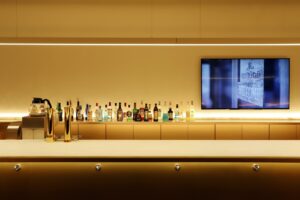
- Drinks: beer, whisky, sake, shochu, wine by the glass, cocktails, champagne
- Snacks: nuts, cheese, chocolate, kaminari-okoshi, and more
- Services: English-friendly menu
- Payment: credit cards, electronic payments
Hotel Highlights: Make Your Night in Asakusa Truly Special
THE KANZASHI TOKYO ASAKUSA is ideally located within walking distance of Sensoji Temple and Nakamise Street—perfect for both sightseeing and business.

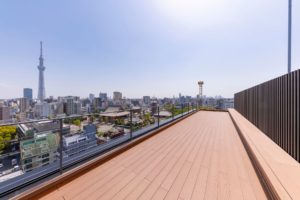
- Rooftop Terrace with a Stunning View: Enjoy panoramic views of Sensoji Temple and Tokyo Skytree.
- Ideal for Long Stays: Coin laundry available onsite.
- Comfortable Guest Rooms: Free Wi-Fi and modern interiors for relaxation.

Sample Evening Plan: Asakusa Sightseeing + Bar Experience
- 16:00–17:30 – Sensoji Temple night illumination
- 18:00–20:00 – Sake tasting at the hotel bar
- 20:30– – Relax in your room and enjoy the night view

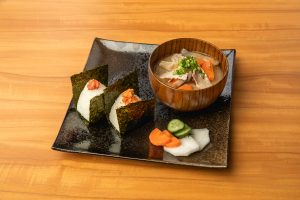
- Next Morning: Japanese-style breakfast → Sumida River stroll
Summary
Enhance your Asakusa visit with a sake tasting experience at the bar of THE KANZASHI TOKYO ASAKUSA. Why not spend a truly special evening at a hotel in the heart of Asakusa?